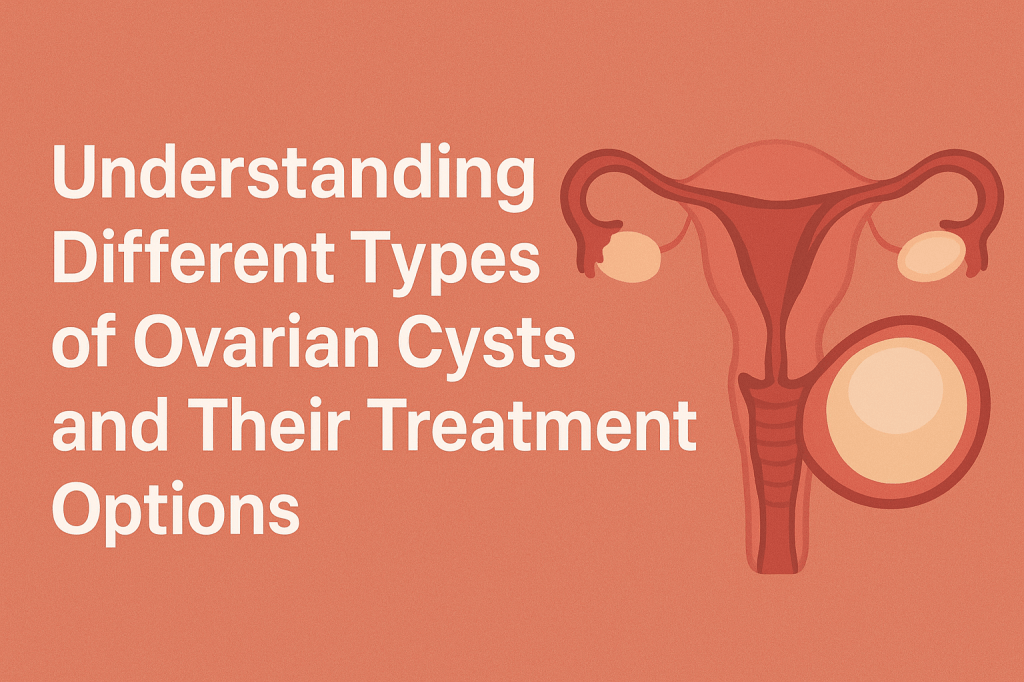
Ovarian cysts are a common condition that affects many women at some point in their lives. Although the word “cyst” can sound alarming, most ovarian cysts are harmless and often disappear on their own without any treatment. However, some cysts can cause discomfort, affect menstrual cycles, or, in rare cases, impact fertility. Understanding the different types of ovarian cysts, their causes, and treatment options is crucial for maintaining reproductive health and well-being.
An ovarian cyst is essentially a fluid-filled sac that develops on or within the ovary. These cysts can vary widely in size, from a tiny sac that goes unnoticed to a larger growth that causes pain or other symptoms. While most cysts are benign, certain types require medical attention or surgery. Early detection and proper care can prevent complications and help women manage their reproductive health effectively.
What Are Ovarian Cysts?
The ovaries play a vital role in the female reproductive system by producing eggs and hormones such as estrogen and progesterone. During a typical menstrual cycle, an ovary releases an egg from a small sac called a follicle. Occasionally, the follicle does not release the egg as expected or does not dissolve after releasing the egg, leading to the formation of a cyst.
Most ovarian cysts are classified as functional cysts, meaning they form as part of the normal menstrual cycle. These cysts are usually harmless and temporary. However, some cysts, known as non-functional cysts, may grow larger or cause symptoms, requiring medical intervention. Understanding the type of cyst is key to determining the appropriate treatment.
Different Types of Ovarian Cysts
Functional Cysts
Functional cysts are the most common type and usually harmless. They are closely linked to the menstrual cycle and generally resolve on their own within a few weeks or months. There are two main kinds of functional cysts.
The first type is the follicular cyst, which develops when the follicle that contains the egg fails to rupture and release the egg during ovulation. Instead, it continues to grow, forming a cyst. Follicular cysts often do not cause any symptoms, though some women may experience mild pelvic discomfort or a delayed period. In most cases, no treatment is needed, and the cyst disappears naturally over time.
The second type is the corpus luteum cyst. After an egg is released, the follicle transforms into a structure called the corpus luteum, which produces hormones to support a possible pregnancy. Sometimes, this structure fills with fluid, forming a cyst. Symptoms can include pelvic pain, bloating, or light spotting. Most corpus luteum cysts resolve on their own, but hormonal therapy or surgery may be required if the cyst grows large or ruptures.
Dermoid Cysts
Dermoid cysts, also known as mature cystic teratomas, are non-functional cysts that develop from cells present from birth. Interestingly, these cysts can contain tissues such as hair, skin, or fat. While they are usually benign, they can grow and cause discomfort or complications if left untreated.
Women with dermoid cysts may experience pelvic pain, a feeling of fullness in the abdomen, or discomfort during sexual intercourse. Because of their potential to grow or twist, surgical removal is often recommended. Laparoscopic surgery is the preferred method as it is minimally invasive, leaves smaller scars, and offers faster recovery compared to traditional surgery.
Endometriomas (Chocolate Cysts)
Endometriomas are cysts that form as a result of endometriosis, a condition where tissue similar to the uterine lining grows outside the uterus. When this tissue attaches to the ovary, it forms a cyst filled with dark, old blood, which gives it the nickname “chocolate cyst.”
Women with endometriomas often experience painful menstrual periods, pain during intercourse, and, in some cases, difficulties with fertility. The treatment approach depends on the size of the cyst and whether the woman is planning to conceive. Options include medications to manage pain and hormones, or laparoscopic surgery to remove the cyst while preserving the ovary. Because endometriomas can recur, ongoing monitoring and hormonal therapy are often recommended.
Cystadenomas
Cystadenomas are benign cysts that develop from ovarian tissue. They may contain either watery fluid (serous cystadenomas) or thicker, mucous-like fluid (mucinous cystadenomas). These cysts can grow quite large, leading to abdominal discomfort or bloating.
Unlike functional cysts, cystadenomas do not resolve on their own. Surgical removal is typically required, and depending on factors such as age, overall health, and fertility goals, the surgeon may remove only the cyst or the entire ovary.
Polycystic Ovaries (PCOS-related Cysts)
Polycystic Ovary Syndrome (PCOS) is a hormonal disorder that leads to the formation of multiple small cysts in the ovaries. While these cysts are generally harmless individually, they are associated with irregular ovulation and fertility challenges. Women with PCOS may also experience irregular periods, weight gain, acne, and excess hair growth.
Treatment for PCOS focuses on managing the hormonal imbalance rather than removing the cysts themselves. Lifestyle changes such as a healthy diet, regular exercise, and weight management play a significant role. Hormonal medications and fertility treatments can help restore ovulation and improve chances of conception.
When to Consult a Doctor
Many ovarian cysts are discovered incidentally during routine gynecological exams or ultrasounds and do not cause problems. However, certain symptoms warrant immediate medical attention. Sudden and severe pelvic pain, persistent bloating, swelling in the abdomen, pain during sexual activity, irregular menstrual cycles, or signs of rupture such as fever or vomiting, should never be ignored. Consulting a gynecologist promptly ensures proper diagnosis and prevents complications.
Diagnosis of Ovarian Cysts
Doctors use several methods to diagnose and evaluate ovarian cysts. A pelvic examination helps detect swelling or tenderness. Ultrasound imaging is the most common tool to assess the size, location, and type of cyst. In some cases, blood tests, including CA-125 or hormone level checks, help evaluate the possibility of cancer or hormonal imbalances. For complex or unclear cases, CT or MRI scans may be recommended. These diagnostic tools guide the doctor in determining whether observation, medical therapy, or surgical intervention is needed.
Treatment Options for Ovarian Cysts
Treatment depends on the type, size, and symptoms of the cyst, as well as the patient’s age and future fertility plans. Some cysts only require careful monitoring through regular ultrasounds. Many functional cysts disappear naturally without intervention.
Hormonal medications, such as birth control pills, help prevent the formation of new cysts by regulating ovulation. Pain relief medications, like non-steroidal anti-inflammatory drugs (NSAIDs), can help manage discomfort caused by cysts.
Surgery may be necessary for larger cysts, complex cysts, or those that do not resolve with medication. Laparoscopic surgery, a minimally invasive procedure, is often preferred due to its faster recovery time and smaller incisions. In more complicated cases, laparotomy, a traditional open surgery, may be required. Depending on the situation, the surgeon may remove only the cyst (cystectomy) or, in rare cases, the entire ovary (oophorectomy).
Can Ovarian Cysts Affect Fertility?
Most ovarian cysts do not interfere with fertility. However, endometriomas and PCOS-related cysts can affect ovulation or hormone balance, making conception more difficult. With timely medical intervention, it is often possible to restore normal ovulation and improve fertility outcomes. Women who plan to conceive should consult their gynecologist before any surgery to ensure fertility-preserving measures are considered.
Prevention and Self-Care
While not all cysts can be prevented, adopting a healthy lifestyle can support ovarian health. Maintaining a balanced diet, regular exercise, and stress management can help regulate hormones. Avoiding smoking and excessive alcohol consumption also benefits reproductive health. Tracking menstrual cycles and attending regular gynecological check-ups can help detect cysts early, allowing for timely treatment and better outcomes.
Conclusion
Ovarian cysts are a common and often harmless condition, but understanding their types, symptoms, and treatment options is essential for maintaining reproductive health. Early diagnosis, proper medical care, and a healthy lifestyle play a key role in managing ovarian cysts and preventing complications. Women should pay attention to any unusual symptoms and consult a gynecologist for evaluation and personalized treatment. For expert care, you can explore Ovarian Cyst Treatment in Gurgaon to ensure timely and effective management. Being informed and proactive about ovarian health ensures overall well-being and peace of mind.
FAQs About Ovarian Cysts
1. Are ovarian cysts dangerous?
Most ovarian cysts are benign and harmless. However, larger or complex cysts can sometimes cause complications such as rupture or twisting, which require immediate medical attention. Early detection and treatment help prevent these risks.
2. Do ovarian cysts go away on their own?
Many functional ovarian cysts dissolve naturally within a few menstrual cycles without intervention. However, cysts that are large, symptomatic, or complex may require medical treatment.
3. Can ovarian cysts affect fertility?
Certain types of cysts, such as endometriomas or those associated with PCOS, can affect fertility by interfering with ovulation or hormonal balance. Effective treatment can often restore normal fertility.
4. What is the best treatment for ovarian cysts?
The treatment varies depending on the type, size, and symptoms of the cyst. Options range from observation and hormonal therapy to surgical removal. A gynecologist can recommend the best approach based on individual needs.
5. Can I get pregnant if I have an ovarian cyst?
Many women with ovarian cysts can conceive naturally. Fertility may be impacted if the cyst affects ovulation, but with proper treatment, pregnancy is often possible.
6. How can I prevent ovarian cysts from recurring?
While not all cysts can be prevented, maintaining hormonal balance through a healthy lifestyle, attending regular check-ups, and following medical advice can reduce the risk of recurrence.
 Dailyhealthtalk
Leave a comment